Why Planting Windows Still Make or Break Yield
SmartNoma Research Team
Agronomy Intelligence · May 12, 2026
FIELD CASE #002
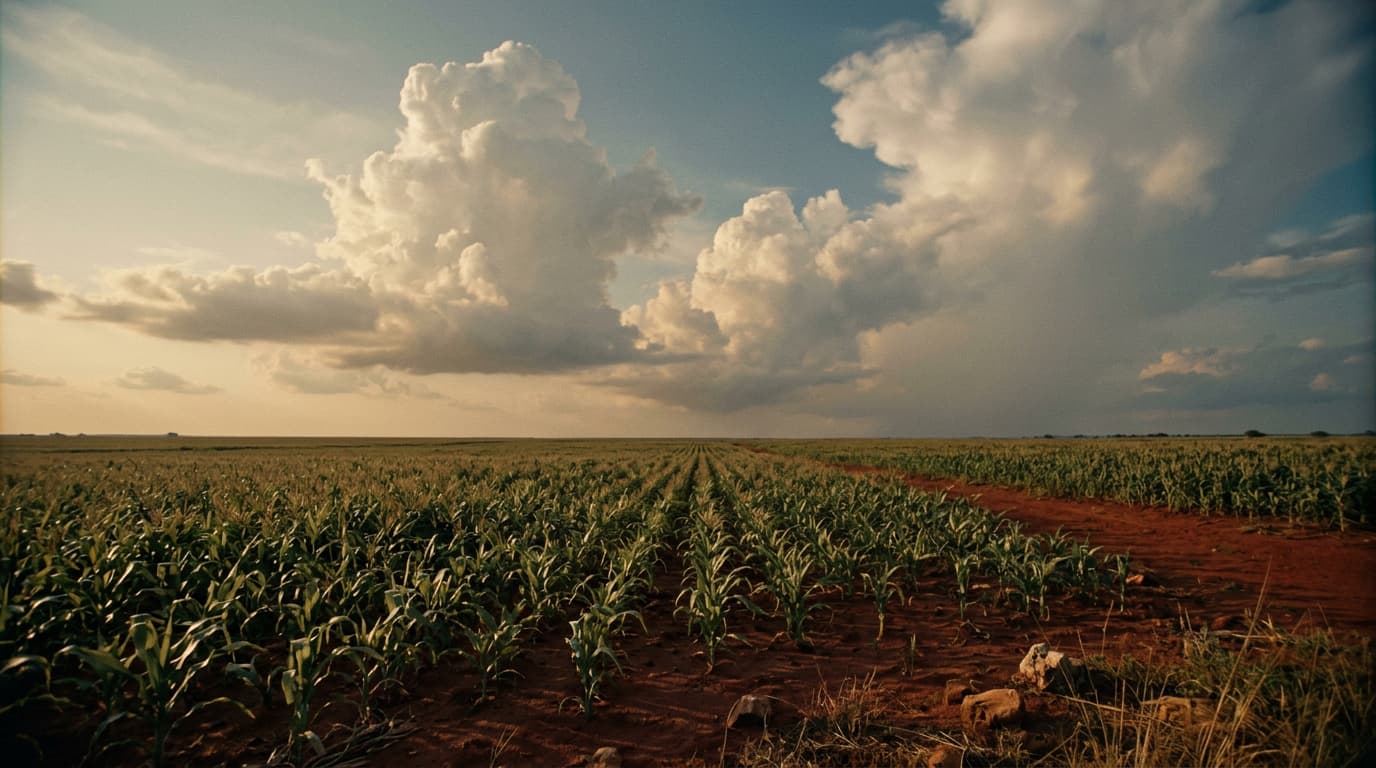
A crop field after early-season rainfall.
Planting timing looks simple from a distance, but it is one of the most expensive decisions to get wrong.
Why timing matters
The first rains can create pressure to plant immediately, especially when neighbouring farmers have started. But early rain is not the same as a stable planting window. A short dry spell after emergence can weaken the crop before the season has properly begun.
How advice improves
A stronger recommendation combines forecast timing with field context. It asks whether the soil is likely to hold moisture, whether the crop stage is vulnerable, and whether the farmer has enough time to act.
For programmes, the opportunity is coordination. When many farmers receive clearer timing guidance at the same moment, early-season variation drops and extension teams spend less time correcting preventable mistakes.
The planting window is not a date on a calendar. It is the moment weather, soil, seed, and labour line up well enough to start.
Signals to watch
Rain
Forecast depth
Deepen Your Knowledge
Related Intelligence
Science & DataBuilding Trustworthy AI Agronomy for Nigeria
What it takes to turn soil maps, weather signals, and crop science into recommendations extension teams can explain and farmers can trust.
 Field Reports
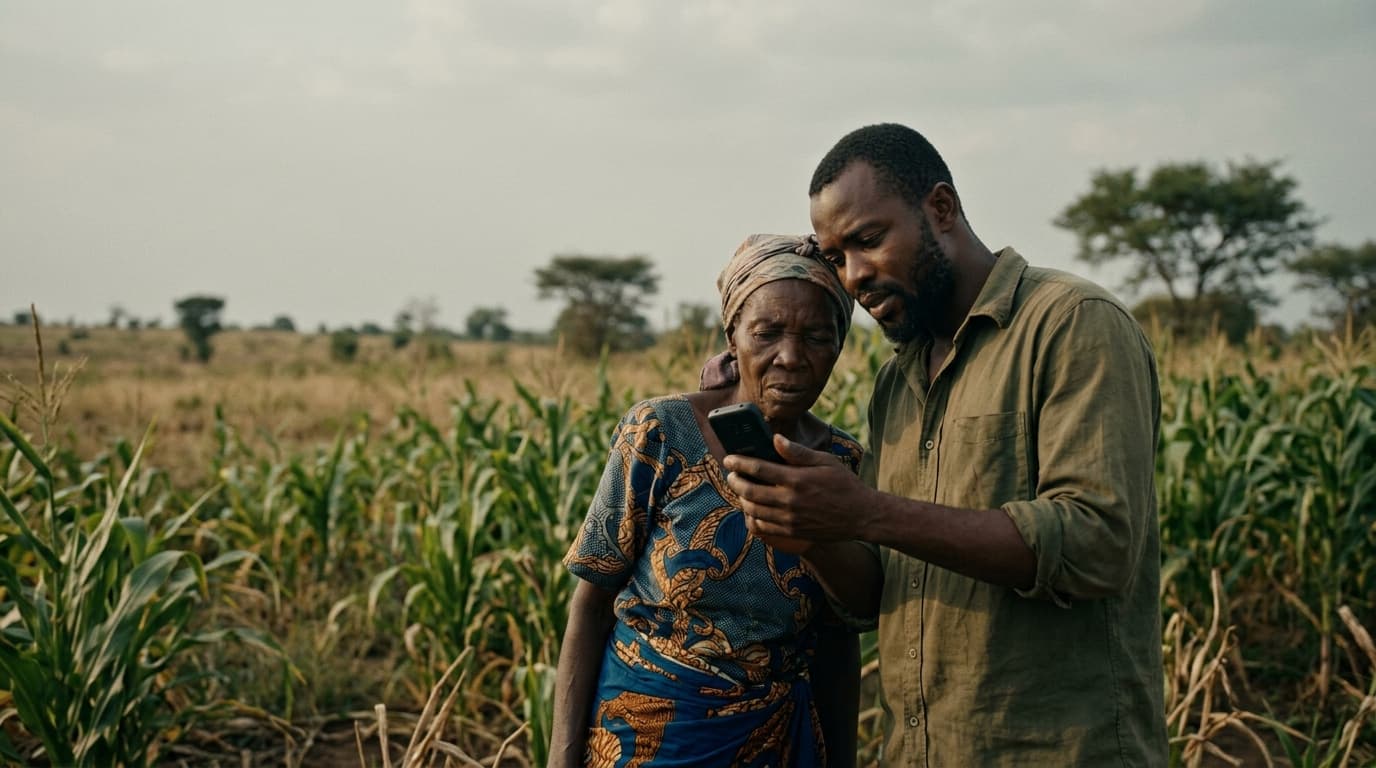
What Extension Workers Need From AI Tools
The best agricultural AI interface is not the flashiest one. It is the one that helps field teams answer farmer questions with confidence.